Understanding UK trailer towing limits
If you’ve ever hooked up a trailer and thought, “Am I overweight?”, you’re not alone. A lot of people tow without being completely sure whether they’re within the legal weight limits or not.
Understanding UK trailer towing limits is important if you want to stay safe, protect your vehicle and avoid getting caught out on the road.
Towing is not just about hitching up and driving off. You need to know how much your vehicle can safely tow, how your trailer is loaded, and whether everything is balanced properly before you set off.
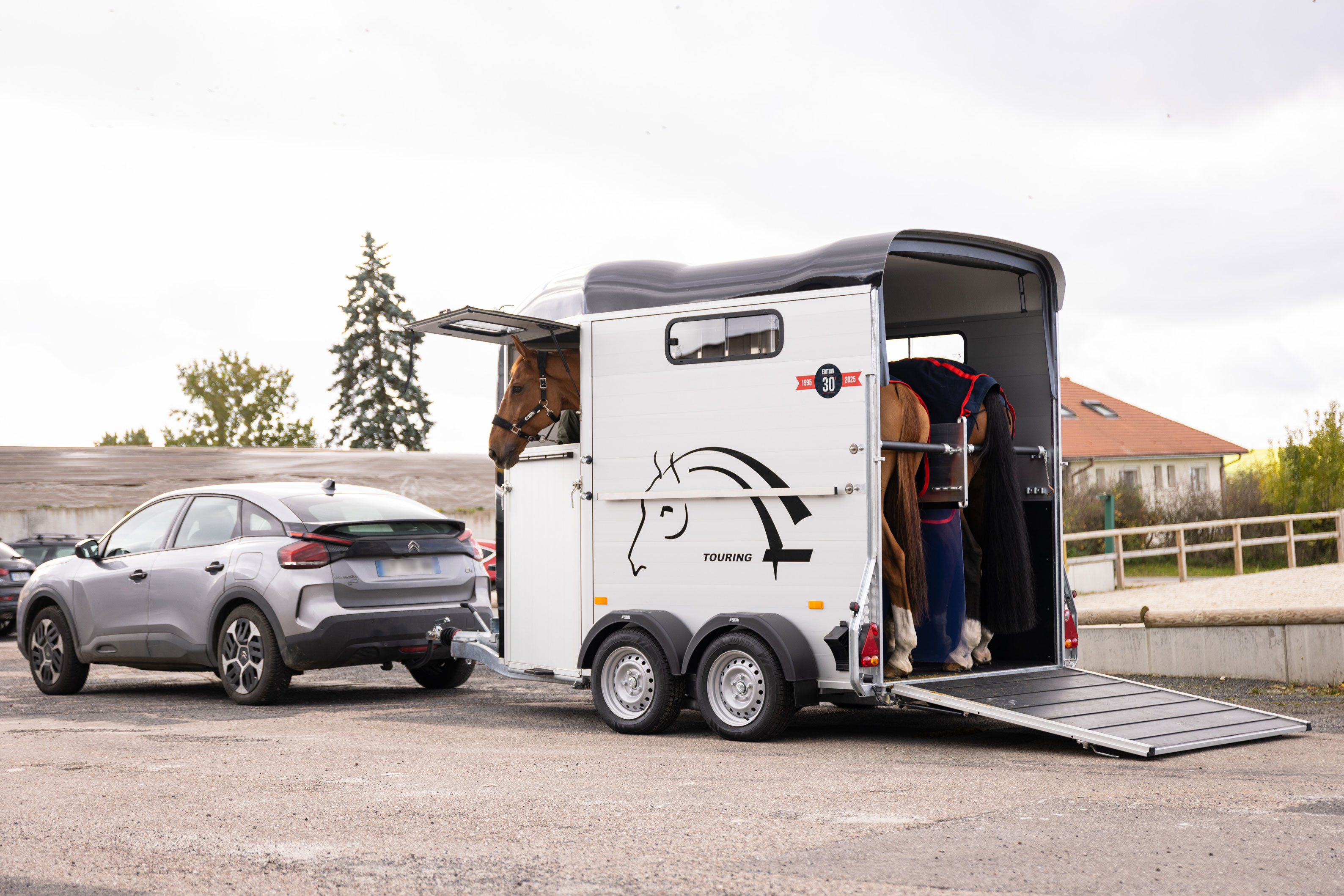
What is your vehicles towing capacity?
Every vehicle has a maximum towing capacity set by the manufacturer. This is the maximum weight your vehicle can legally and safely pull.
Going over that limit can cause:
- Poor handling
- Longer stopping distances
- Trailer sway
- Extra strain on your vehicle
- Fines and penalty points
You can normally find your towing capacity:
- In the owner’s manual
- On the VIN plate
- On the manufacturer’s website
If you are unsure, it is always worth double-checking before towing.
How trailer weight is actually calculated
One of the biggest mistakes people make is only looking at the empty trailer weight.
What really matters is the total loaded weight of the trailer once everything is inside it.
That includes:
- The trailer itself
- Tools and equipment
- Machinery or goods
- Horses or livestock
- Fuel and water
This total is known as the Gross Trailer Weight (GTW).
It is surprisingly easy to go overweight once everything is loaded up, especially with larger trailers.
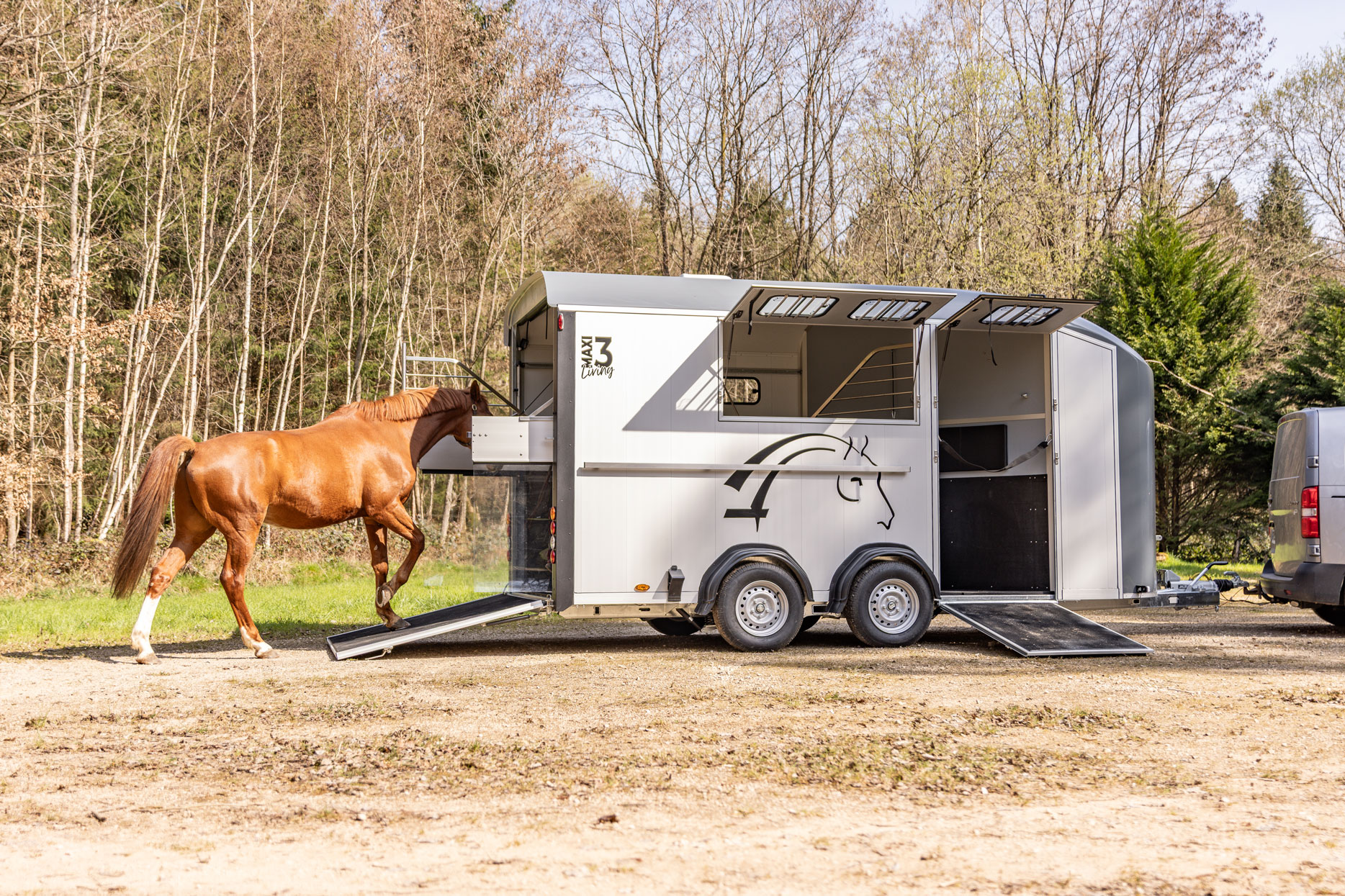
UK trailer towing laws explained
Understanding the legal side of towing is just as important as the practical side.
Key UK towing rules:
- You must not exceed your vehicle’s towing capacity
- Trailers over 750kg must have their own braking system
- Your combined vehicle and trailer weight must match your licence entitlement
- Loads must be properly secured at all times
If you are caught towing overweight, you could face:
- Fines
- Points on your licence
- Vehicle checks at the roadside
- Being stopped from continuing your journey
Why trailer balance matters
One thing people often overlook is whether the trailer is sitting level behind the vehicle.
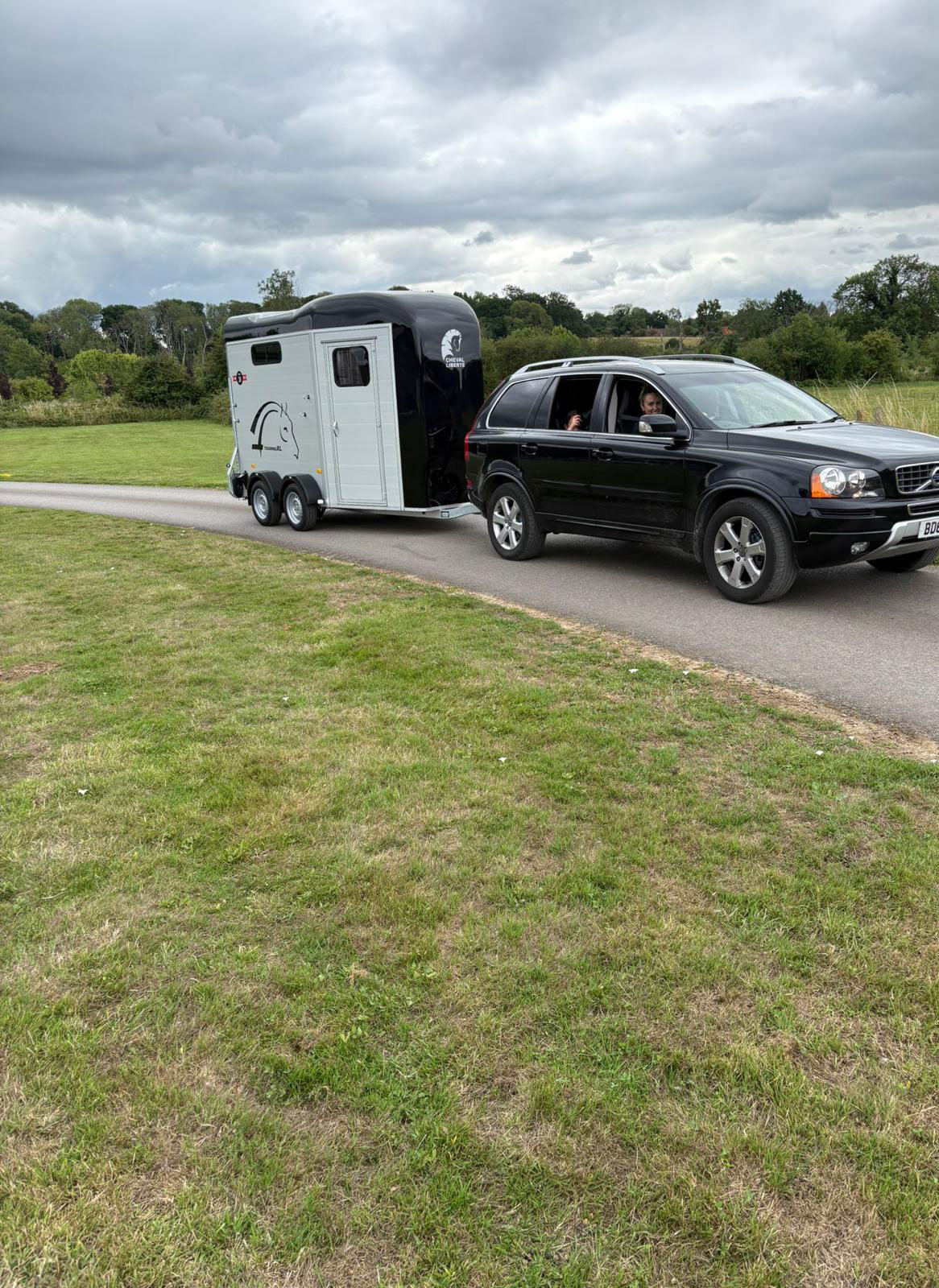
Your trailer should sit flat when connected, not nose up or nose down.
A properly levelled trailer helps:
- Improve stability
- Reduce trailer sway
- Improve braking performance
- Reduce tyre wear
- Keep weight distributed correctly
What happens if the trailer is not level?
Nose too high:
- Reduced nose weight
- Less stability
- Increased chance of trailer sway
Nose too low:
- Too much pressure on the rear axle
- Poor handling
- Reduced braking efficiency
Usually, the fix is fairly simple. Using the correct tow bar height or an adjustable hitch can make a huge difference.
Quick trailer towing safety checklist
Before every journey, it is worth taking a couple of minutes to check everything over.
Towing checklist
- Trailer weight is within your towing limit
- Load is secure and evenly distributed
- Trailer is sitting level
- Tyres are correctly inflated
- Lights and brakes are working properly
- Hitch and connections are secure
A quick check before setting off can prevent a lot of problems later on.
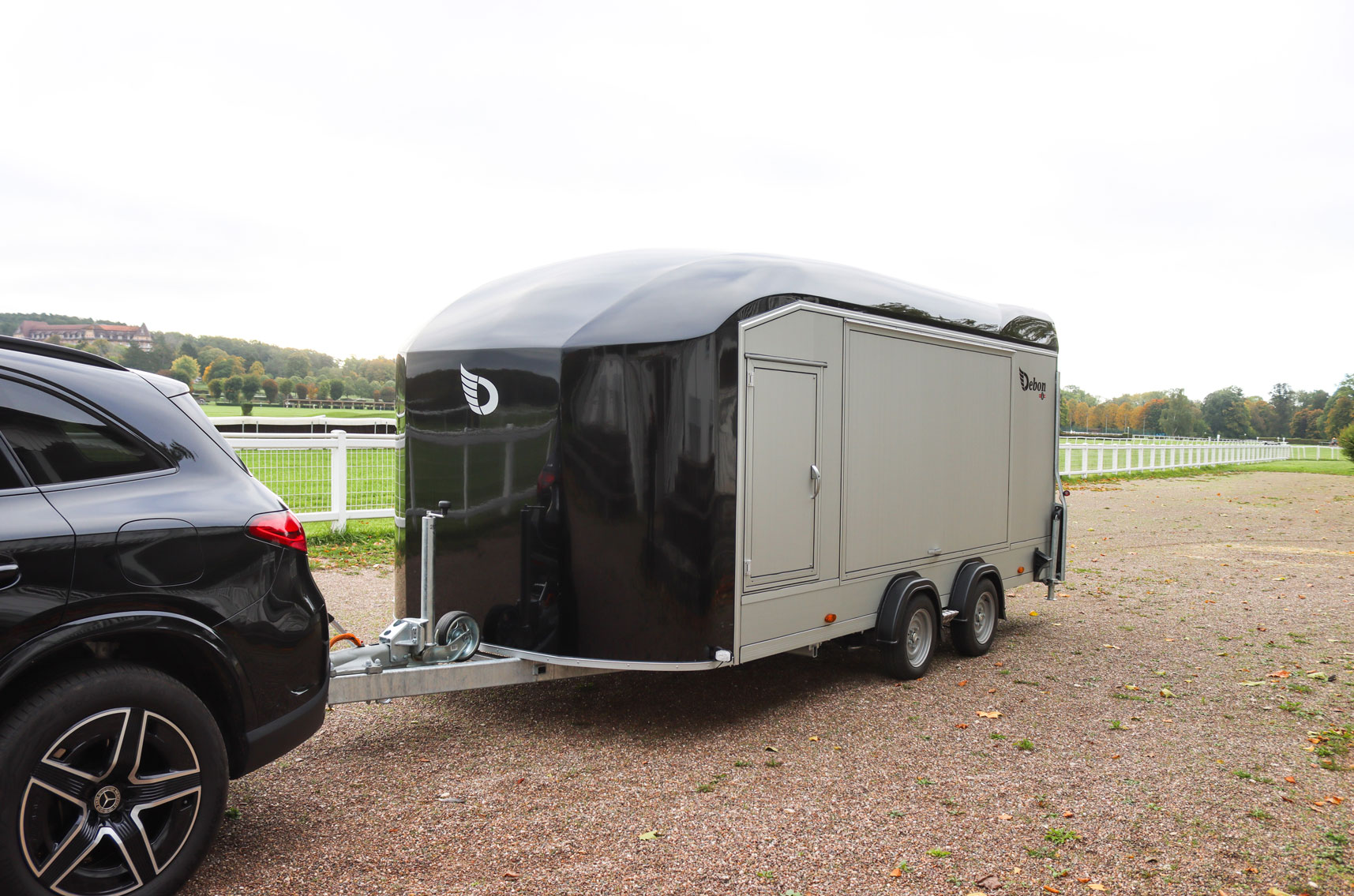
Safe towing starts with the right setup
Towing safely does not have to be complicated. Most of the time, it comes down to getting the basics right.
By understanding:
- Your towing limits
- UK towing laws
- Proper trailer balance and setup
You can:
- Stay safer on the road
- Protect your vehicle and trailer
- Improve towing stability
- Avoid unnecessary fines and legal issues
Need help or advice?
If you are unsure about:
- Trailer weights
- Vehicle towing limits
- Tow bar height
- Trailer setup or balance
Our team is always happy to help.
Get in touch today for expert advice and make sure you are towing safely and legally every time.